
 by
by 
In hot markets across the U.S., buyers sometimes skip home inspections to look “clean” and competitive. But is shaving a few days off your timeline worth taking on tens of thousands of dollars in unknown repairs? Here’s a clear, buyer-friendly guide to help you decide—without torpedoing your long-term finances.
Table of Contents
What “Waiving the Inspection” Actually Means
When you waive a home inspection, you remove (or severely limit) your contractual right to have a professional evaluate the property and use the results to negotiate repairs or walk away. In practice, that means you’re buying the home “as-is” with very limited recourse if you later discover hidden issues. Some buyers still hire an inspector informally, but without an inspection contingency the findings rarely let you cancel without losing your earnest money.
Why Some Buyers Consider Waiving
- Competition and speed: In multiple-offer situations, sellers may prefer offers without contingencies that could delay or derail closing.
- Perception of “clean” offers: Fewer contingencies can make your offer look simpler and safer.
- Cost cutting: A standard inspection typically runs a few hundred dollars, and specialized tests add more. Some buyers (mistakenly) view it as an easy place to save.
Those reasons are understandable—yet they often ignore the downside risk. A $500–$1,000 inspection can prevent five-figure surprises.
The Real Risks of Skipping an Inspection
- Structural problems: Foundation movement, termite damage, rotten sill plates, or unpermitted additions can be expensive to correct and may affect insurability.
- Roof and envelope issues: Aging shingles, flashing failures, and poor ventilation can lead to leaks, mold, and energy loss.
- Mechanical systems: End-of-life HVAC, faulty wiring, aluminum branch circuits, double-tapped breakers, or antiquated plumbing (e.g., galvanized, polybutylene) can be safety hazards and budget killers.
- Water intrusion & drainage: Grading, gutters, and sump systems matter. Chronic moisture can damage finishes and structure.
- Environmental concerns: Radon, mold, sewer line failure, and lead-based paint (in older homes) may require specialized mitigation.
- Financing & insurance snags: Major defects discovered after closing can complicate homeowners insurance renewals and future appraisals.
What a Good Home Inspection Covers
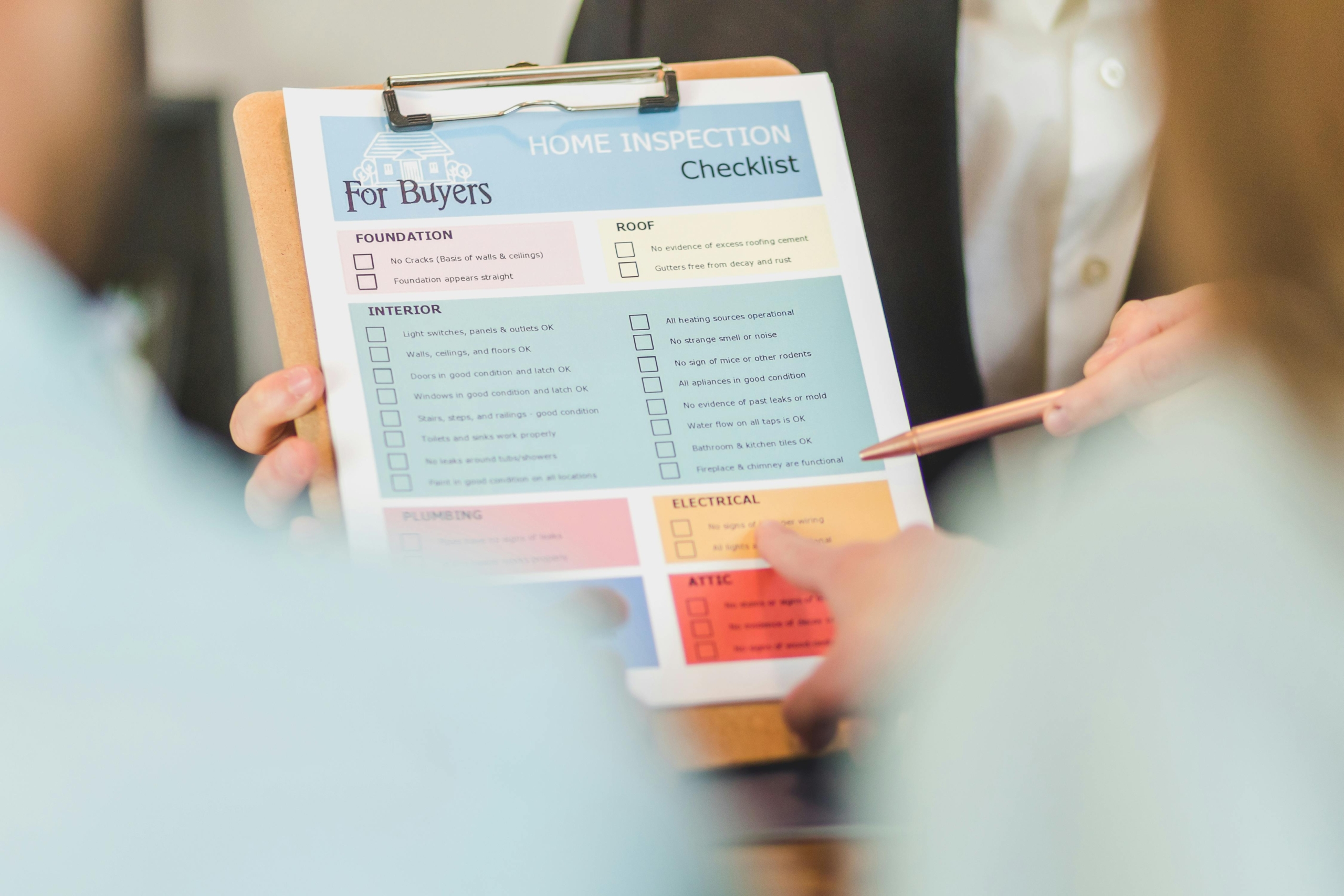
A general home inspection is a visual, non-invasive assessment of major systems: structure, roof, exterior, electrical, plumbing, HVAC, insulation/ventilation, interiors, and accessible crawl/attic spaces. Inspectors typically deliver a written report with photos, describing safety issues, major defects, and maintenance items.
Common add-ons include:
- Radon testing (region-dependent)
- Termite/wood-destroying organism inspection
- Sewer scope (camera inspection of main line)
- Mold/moisture assessment
- Well/septic evaluations (where applicable)
- Pool/spa inspections
Smart Alternatives to an Outright Waiver
If you want to remain competitive and protect yourself, consider these approaches (availability varies by state—consult your agent/attorney):
- “Information-only” inspection: You keep the right to inspect but agree not to request repairs. If you discover truly major defects, you can still reassess your position with your agent and attorney.
- Shortened inspection period: Offer a fast timeline (e.g., 3–5 days) to reduce seller anxiety while keeping your contingency.
- Cap your repair requests: Include language that you’ll only ask for repairs or credits if single-item issues exceed a threshold (e.g., $X) or if aggregate health/safety items exceed $Y.
- Pre-offer walk-through with an inspector (when allowed): Some sellers permit a quick, paid “walk & talk” during showings. It’s not a full inspection, but it can surface red flags.
- Pre-listing inspection review: If the seller already did an inspection, read it carefully and—if permitted—bring your own inspector to spot-check high-risk items.
- As-is with right to inspect: You accept cosmetic wear but retain the right to cancel if serious issues are found.
Ways to Strengthen Your Offer Without Giving Up the Inspection
- Full pre-approval or underwriting: Go beyond a quick pre-qual. Ask your lender for underwritten pre-approval to assure the seller you’re solid.
- Larger earnest money/deposit: Signals commitment (ensure deadlines protect you).
- Flexible closing & possession: Offer a rent-back, post-occupancy, or timeline that fits the seller’s move (with proper contracts and insurance).
- Appraisal gap coverage: If you can, commit to cover a defined gap between appraised value and purchase price. Keep it a capped number, not unlimited.
- Escalation clause: Automatically outbid competing offers by a set increment up to a cap, with proof of competing terms.
- Clean up the rest: Fewer contingencies around small items (home warranty, minor credits) can help while you keep the inspection.
How to Read (and Use) an Inspection Report
Inspection reports can be long. Focus on:
- Safety and structural issues first.
- End-of-life systems (HVAC, roof, water heater).
- Water intrusion and drainage.
- Electrical/plumbing defects that pose risk or cost.
Then choose a strategy with your agent:
- Request repairs by licensed pros.
- Ask for a credit at closing (often simpler than supervising repairs).
- Renegotiate price if the issues are material.
- Walk away if the risk is unacceptable (subject to your contract).
Red Flags That Should Raise Your Guard
- Fresh paint or new drywall patches in suspicious areas (ceilings below bathrooms, basement walls).
- Strong air fresheners or dehumidifiers running constantly.
- Uneven floors, sticky doors, diagonal cracks around windows.
- Electrical panels with double-taps, aluminum wiring, or missing covers.
- Evidence of roof leaks, active plumbing leaks, or musty smells.
- Seller unwilling to allow any inspection access whatsoever.
If You Already Waived—What Now?
All is not lost. After closing, order a post-purchase inspection to prioritize repairs and safety improvements. Budget for immediate fixes (smoke/CO detectors, GFCIs, leaks), then plan capital items (roof, HVAC). Use the report as your first-year home maintenance roadmap.
Buyer Scenarios (Quick Examples)
- Newer townhome, multiple offers: Buyer keeps inspection but shortens the period to 4 days and caps repair requests at major safety issues. Offer wins.
- Older single-family home: Buyer uses an information-only inspection, then negotiates a seller credit for a failing water heater and active leak—deal stays intact.
- Investor flip: Buyer keeps full inspection; report reveals non-permitted electrical work and roof patching. Buyer walks—earns deposit back and avoids a money pit.
Pros & Cons of Waiving a Home Inspection
Pros
- Potentially more competitive in a bidding war.
- Faster timelines can appeal to sellers.
- Fewer moving parts in escrow.
Cons
- Risk of undiscovered, costly defects.
- Reduced negotiation leverage.
- Possible financing/insurance complications if issues surface later.
Frequently Asked Questions
Is waiving an inspection ever a good idea?
It’s rarely advisable. If you must stay competitive, consider a shortened timeframe, information-only approach, or “as-is with right to inspect” instead of a full waiver.
How much does a home inspection cost?
How much does a home inspection cost?
Pricing varies by region and home size, but general inspections often land in the mid hundreds of dollars. Add-ons like radon tests, sewer scopes, or pool inspections increase the total. You can find Home Listing by click on HERE.
How long does an inspection take?
Two to four hours is common for a typical single-family home, longer for older or larger properties. Reports are often delivered within 24–48 hours.
Can I get an inspection with FHA/VA loans?
Yes. Appraisals required by lenders are not the same as inspections. You should still get a full home inspection.
What if the seller refuses access for inspections?
That’s a red flag. Discuss options with your agent—like walking away or structuring the offer so access is a condition of acceptance.
What’s the difference between a pre-listing inspection and a buyer’s inspection?
Pre-listing inspections are ordered by the seller to identify issues before going to market. They can be helpful, but you should still consider your own inspector to protect your interests.
Bottom Line
An inspection is one of the cheapest forms of risk management in the entire home-buying process. Keep your offer strong with smart terms, not dangerous shortcuts. Protect your right to understand what you’re buying—and use that knowledge strategically to win the home and sleep well after closing. Also you can read this link‘s Blog for last information in 2023.


Join The Discussion